& LOCAL COMMUNITIES
A pipeline built with people in mind
Pacific Link will undertake engagement with Indigenous groups and local communities who may be impacted by the project, and project decisions will consider the input and interests of these stakeholders.
The project has identified more than 130 Indigenous groups along the route in Alberta and British Columbia for Crown consultation.
Learn more.
The project will consult with local governments and communities along the route to determine their priorities and discuss the health, social and economic outcomes of the project for their communities.
Learn more.
Engaging Indigenous groups
Alberta’s government began engaging with Indigenous groups as part of its work to submit an initial proposal for this new oil pipeline. The Major Projects Office of the federal government continued engagement with Indigenous communities over the summer of 2026, to gather input on the project’s listing as a Project of National Interest.
Pacific Link will continue engaging with Indigenous groups throughout all phases of project development and execution through an open, transparent and respectful process. Engagement will respect Aboriginal and Treaty Rights, support informed, Rights-based participation and seek to understand Indigenous interests, perspectives and priorities.
Indigenous knowledge shared by communities will help guide engagement and project planning. Existing and new Traditional Land and Resource Use and Traditional Marine Use information will be considered in project planning and used to identify culturally important areas, assess potential adverse impacts on the Rights of Indigenous communities and inform appropriate mitigation measures.
Elements of Indigenous participation
Engagement will focus on developing a framework that supports early identification of opportunities for Indigenous participation across 11 elements.
Indigenous groups will have a choice about how they want to be involved and what form benefits will take, including:
Capacity funding: Funding will be available to support the participation of potentially affected Indigenous groups in engagement activities.
Routing participation: Community engagement and feedback will help inform route selection, terminal siting, location and other site-specific planning decisions to help minimize impacts to Indigenous Rights.
Environment and cultural input: Indigenous knowledge and community input will help inform project planning and measures to protect lands, waters, wildlife, plants and cultural heritage during construction and operations.
Regulatory processes: Indigenous engagement will continue throughout all regulatory phases, including project development, application and regulatory review, construction and operations. Involvement in regulatory processes will start early to support Rights-based participation and inclusive decision-making that focuses on understanding potential impacts to Indigenous Rights, culturally significant sites, traditional land, marine and resource use.
Cultural safety: Supporting cultural safety is of utmost importance to Pacific Link. The project seeks to work respectfully with Indigenous groups to understand community priorities, identify potential safety and social concerns and develop culturally appropriate approaches early in project planning. This collaborative approach will help create safe and respectful environments for Indigenous communities throughout project development and execution.
Spill response: Indigenous knowledge and community input will help inform spill response planning, including measures to protect culturally important areas, identify response locations and establish clear communication protocols. Marine response planning will also include collaboration with the Western Canada Marine Response Corporation and Indigenous communities to identify opportunities to strengthen preparedness and response capabilities.
Indigenous monitoring: Pacific Link will work with potentially affected Indigenous groups to develop an approach for participation in Indigenous monitoring that supports the incorporation of Indigenous Knowledge into project execution, allowing for oversight of mitigation effectiveness and refinement where monitoring identifies unanticipated impacts, outcomes or opportunities for improvement.
Contracting: Pacific Link will work with Indigenous communities to understand local Indigenous business capacity to support participation in contracting opportunities, allowing for Indigenous economic participation and capability-building over the life of the project.
Employment: Through engagement, Pacific Link will develop collaborative strategies that align employment opportunities with project and community priorities while using direct hiring, measurable targets, workforce development and retention practices to remove barriers and strengthen participation over time.
Training programs: Training programs will focus on construction-related, transferrable skill development to build long-term community capacity and support participation in employment and contracting opportunities during the execution phase.
Project execution: Engagement will continue throughout project execution to support ongoing implementation of commitments, identification of opportunities for participation, issue resolution and consideration of feedback during all phases of construction.
Equity participation
Indigenous engagement, consultation and participation will be part of the project, with equity participation by Indigenous groups to be developed by the Governments of Alberta and Canada in partnership with Indigenous groups.
Eligible Indigenous groups will have the opportunity to purchase an ownership interest in Pacific Link. Ownership opportunities and allocation approaches will be developed through ongoing engagement with eligible Indigenous groups.
Traditional Knowledge
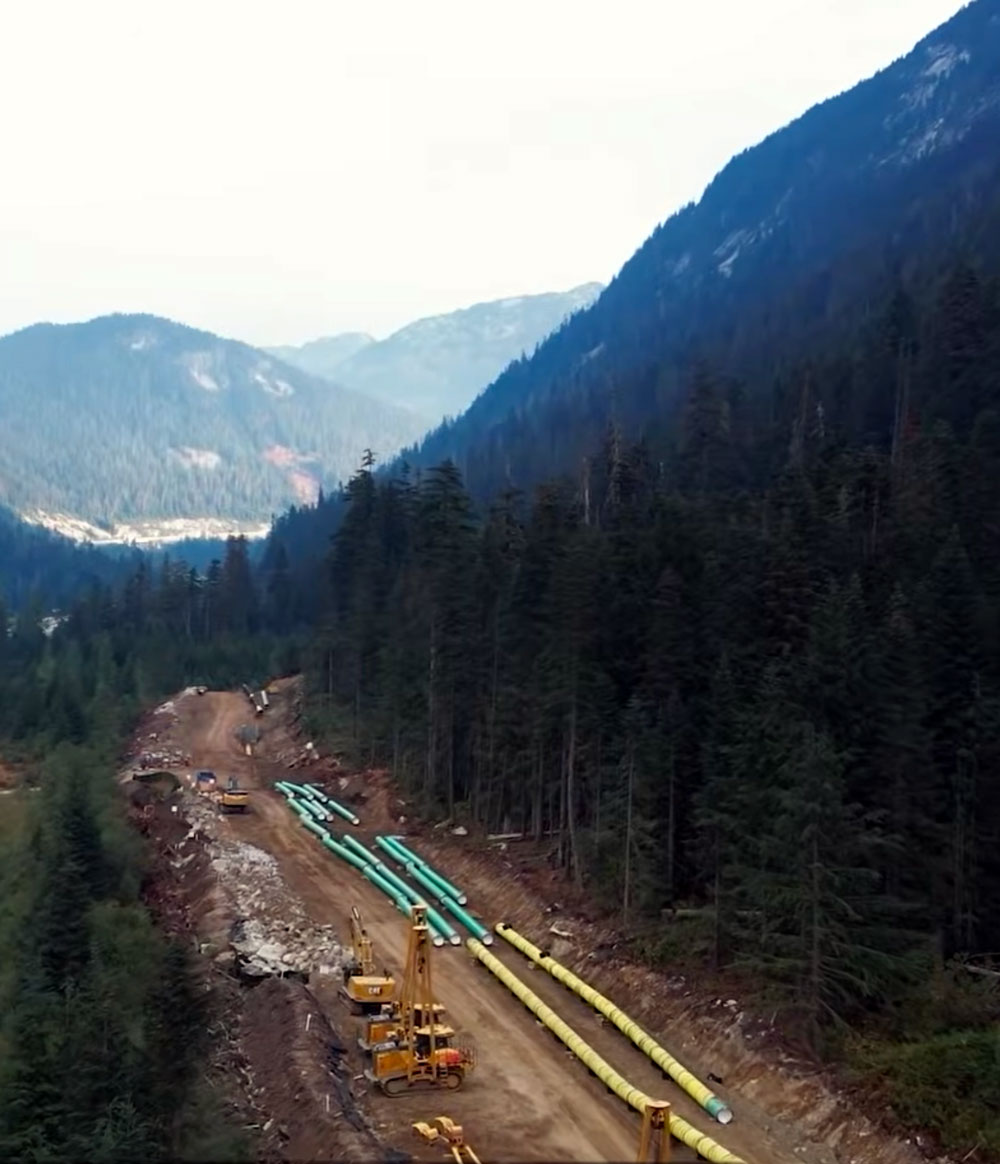
Traditional Knowledge, shared through generations of observation, governance and lived experience, reflects a deep understanding of local ecology, species patterns and environmental change. This knowledge will inform how the project approaches routing, design, mitigation and stewardship.

Engaging local communities
Pacific Link is committed to engaging local governments and communities along the pipeline corridor from Alberta to coastal British Columbia to collect input on routing considerations, construction planning, access and traffic management, environmental and community effects, emergency preparedness and other matters that can inform project planning, mitigation and communications throughout development.
Many local governments along the proposed corridor have previously been engaged through the Trans Mountain Expansion Project. Pacific Link will build on these existing relationships while engaging with additional communities along the corridor.
Engagement will include parties with interests in coastal communities, marine transportation, environmental protection, shared waterways and transboundary marine issues. Input from these activities can help inform marine operations planning, risk assessments, mitigation measures, emergency preparedness and project communications throughout development.